| Region | Los Ríos (XIV), southern Chile |
| Lake | Lake Ranco — one of the largest in Chile (438 km²) |
| From Valdivia | ~120 km (approx. 1h 30min by car) |
| From Osorno | ~80 km (approx. 1h by car) |
| From Santiago | ~820 km (approx. 9h by car or fly to Valdivia) |
| Best season | December–March (summer) / Autumn for hot springs |
| Currency | Chilean Peso (CLP) and USD. ATMs in the town centre. |
In this article
- Lake Ranco Beaches — the most transparent water in the south
- Isla Huapi — the most special ferry crossing in Patagonia
- Termas de Chihuío — coigue hot tubs in the forest
- Traditional Food Fair Circuit — ancestral gastronomy on the road
- Kayaking and stand-up paddle on Lake Ranco
- Sport fishing on the Río Calcurrupe
- Trekking and hiking in the Valdivian forest
- Road cycling and lakeside MTB
- Birdwatching — Kingfisher, Black Woodpecker and Choroy
- Huilliche Crafts — textiles and carvings from the lake
- A private hot-tub night under the southern stars
Lake Ranco Beaches — the most transparent water in the south
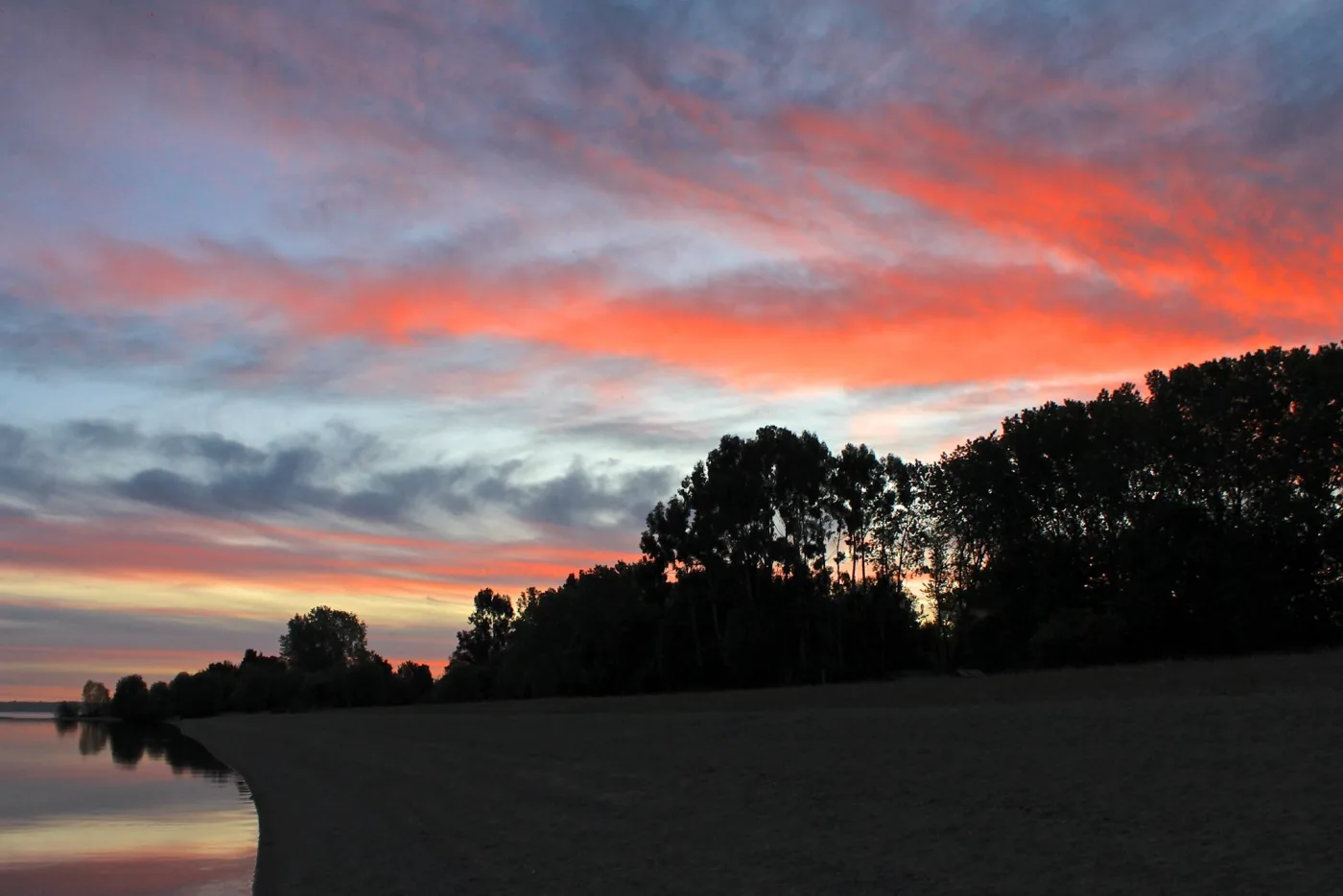
Lake Ranco is one of the 10 largest lakes in Chile, covering 438 km² with water clarity unmatched in the south of the country. Its beaches have a distinctive character — dark volcanic sand mixed with stretches of almost-white fine sand, and waters that reach a comfortable swimming temperature in summer.
Playa Coique (7 km from Futrono) is the local favourite: 2 km of fine sand with turquoise-blue water. You reach it via a rural track and the surroundings are completely natural, with no buildings interrupting the views. Ideal for couples seeking tranquillity and families with children.
Playa Galdámez sits right at the entrance to the village, just minutes' walk from the town centre. It has gentle waves — perfect for young children — and the lake views at sunset are among the best in the area. This is Futrono's urban beach, always lively in summer.
Playa Huequecura, in the village of Llifén 20 km from Futrono along a paved road, is the most spectacular in terms of scenery: 400 metres of fine sand backed by the Cerro Huequecura massif. It has lifeguards in high season, parking and facilities. If you only have time for one beach, make it this one.
The lake warms up towards the end of January. If you visit in December, the water may still be cool. Always bring sunscreen — the lake's reflection intensifies UV radiation even on cloudy days.
Isla Huapi — the most special ferry crossing in Patagonia
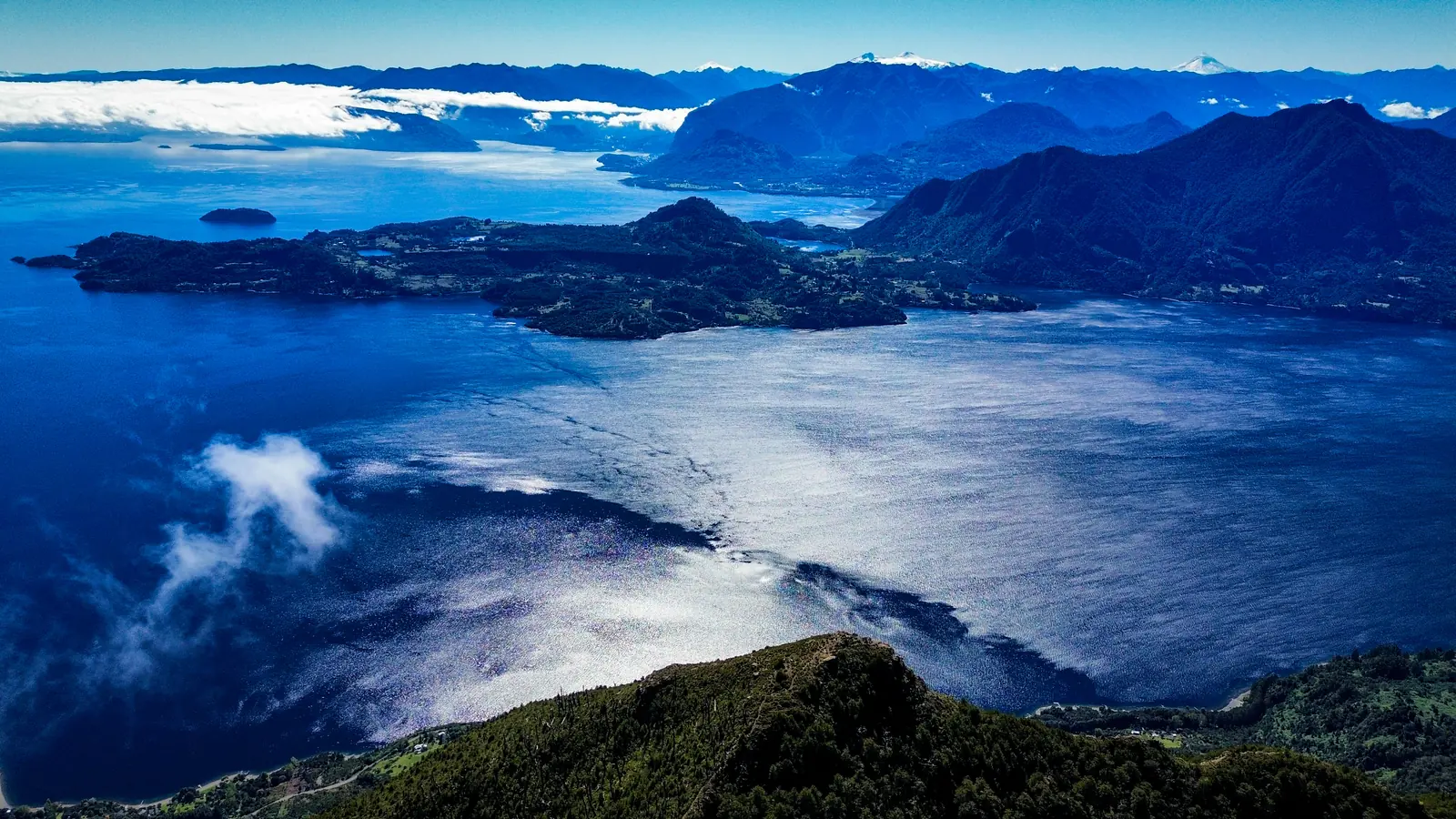
Located in the north-central part of Lake Ranco, Isla Huapi is the most singular destination in the entire basin. The island is home to the most important Mapuche-Huilliche community on the lake, who have maintained their ancestral traditions for centuries in relative isolation. Arriving by ferry, while the rest of the world disappears behind the lake's horizon, is an experience you don't forget.
The crossing from Puerto Futrono takes between 45 minutes and 1 hour on the Epu-Huapi ferry. Once on the island, time works differently: community members offer ox-cart rides, horse treks and hikes up to viewpoints that overlook the entire lake.
The island's most singular attraction is the Fucha Winka — volcanic caves where, according to Huilliche oral tradition, each person can discover their fate. Historically they also served as a refuge during the Spanish colonisation. The contrast between that history and the beauty of the surroundings produces a strange sensation of weight and lightness at the same time.
The community sells first-rate craft work: textiles in dyed sheep's wool, coigue-wood carvings and wicker baskets. They also prepare rescoldo tortillas (cooked under charcoal ash) and roasted wheat coffee with a texture and aroma unlike anything you've tasted before.
- Ferry: Epu-Huapi · Contact: +56 9 2259 5540
- Departure: Puerto Futrono · Duration: 45–60 min
- Season: Mainly January and February (Chilean summer)
- Event: Piuke Lafquen Fair — local gastronomy and culture in high season
- Recommendation: Confirm departure times directly with the operator before going
Termas de Chihuío — coigue hot tubs in the native forest
The Termas de Chihuío are in the Río Curriñe valley, where the thermal water rises directly from the mountain slope at high temperature. The setting is spectacular: Valdivian forest with giant ferns, coigue and arrayán trees, with the river sounding in the background.
What sets them apart from other hot springs in the region is their offering of individual coigue-wood hot tubs: bathtubs carved from that native tree, filled with naturally hot thermal water rising from the ground. The experience is intimate, silent and completely disconnected.
They also have an outdoor pool for those who prefer the more traditional format. The endemic vegetation surrounding the complex is part of the attraction — many of the plants growing around Chihuío are found nowhere else in the world.
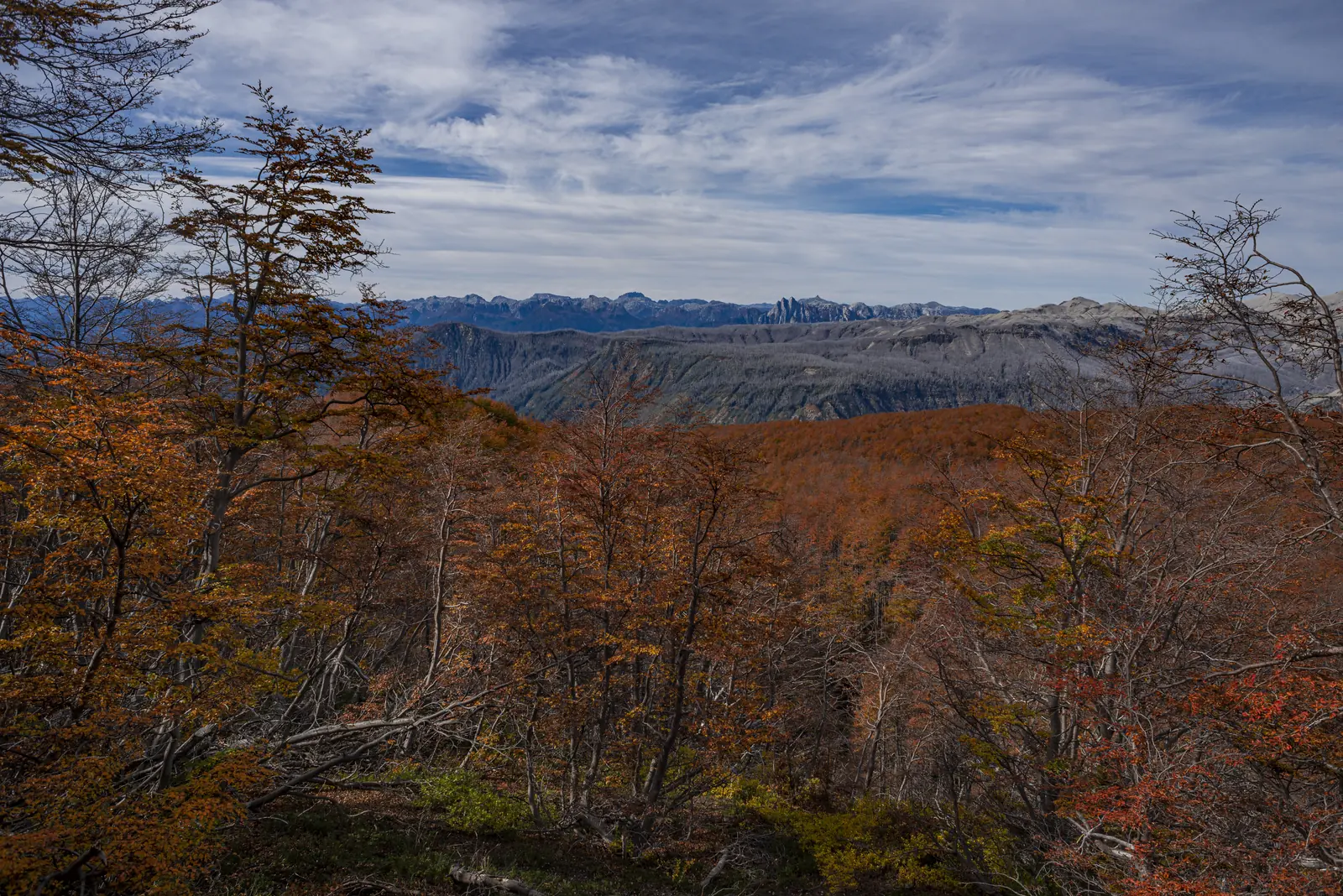
The hot springs in autumn and winter are the ultimate experience. Fewer people, the forest with its reddish colours and the hot water contrasting with the cool air. If you're thinking of visiting Futrono outside peak season, the hot springs alone are reason enough to come.
Traditional Food Fair Circuit — ancestral gastronomy on the road
Futrono's restaurants and food spots are open year-round — it is one of the southern destinations with the most options available in low season. The traditional food fair circuit, on the other hand, is an exclusively summer phenomenon: six different fairs distributed along 70 km of route through the Valdivian forest, running Tuesday to Sunday from 10:00 to 20:00 approximately between January and February.
Each fair has its own specialty and character. Feria Delicias de Caunahue (3 km before reaching Llifén) is famous for its native potatoes — coloured varieties that local farmers have preserved for generations and which are unavailable in any supermarket in the country. Feria Piuke Lafquen operates directly on Isla Huapi, combining the ferry crossing with the gastronomic experience.
Feria La Chascona de Neruda in the Chabranco area (65 km) and Estación Hueinahue (70 km) are the furthest away, but their ancient forest setting makes them particularly memorable. Feria de Maihue (55 km) closes the circuit with perhaps the most remote and authentic location of all.
- Rescoldo tortillas: cooked under charcoal ash. Unique texture, impossible to replicate.
- Milcao and chapalele: potato-based preparations that exist only in southern Chile.
- Roasted wheat coffee: ancestral Huilliche drink. Nothing like grain coffee.
- Native potatoes: varieties of different colours, flavours and sizes no longer found outside this area.
- Wild berry jams: murta, calafate and forest strawberry. The best in the south.
Kayaking and stand-up paddle on Lake Ranco
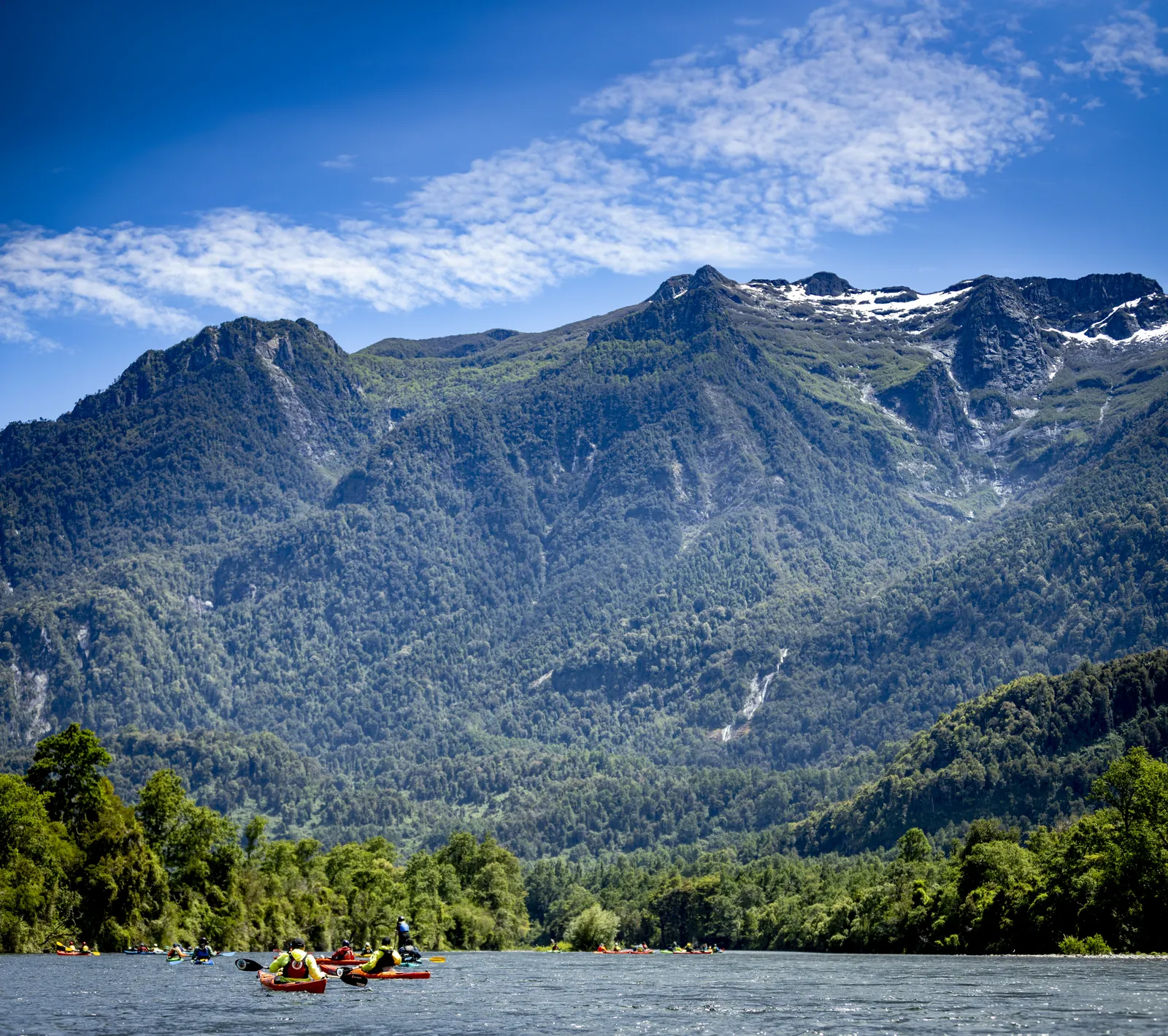
Lake Ranco's size allows everything from a peaceful kayak paddle close to shore to multi-day routes with camping on remote beaches. For beginners, the areas near Puerto Futrono and Playa Coique offer calm water and visible lake beds that make open-water nerves disappear.
Stand-up paddle has become enormously popular in recent years — the clarity of the Ranco's water makes the experience of floating on it visually stunning, especially at dawn when the lake is completely still and mirrors the surrounding hills like a looking glass.
Local watersport operators, such as Actividades Náuticas Llifén (contact: +56 9 3398 1338), offer equipment rental and guides for the lake's most interesting routes. Check directly for current availability and prices.
Sport fishing on the Río Calcurrupe
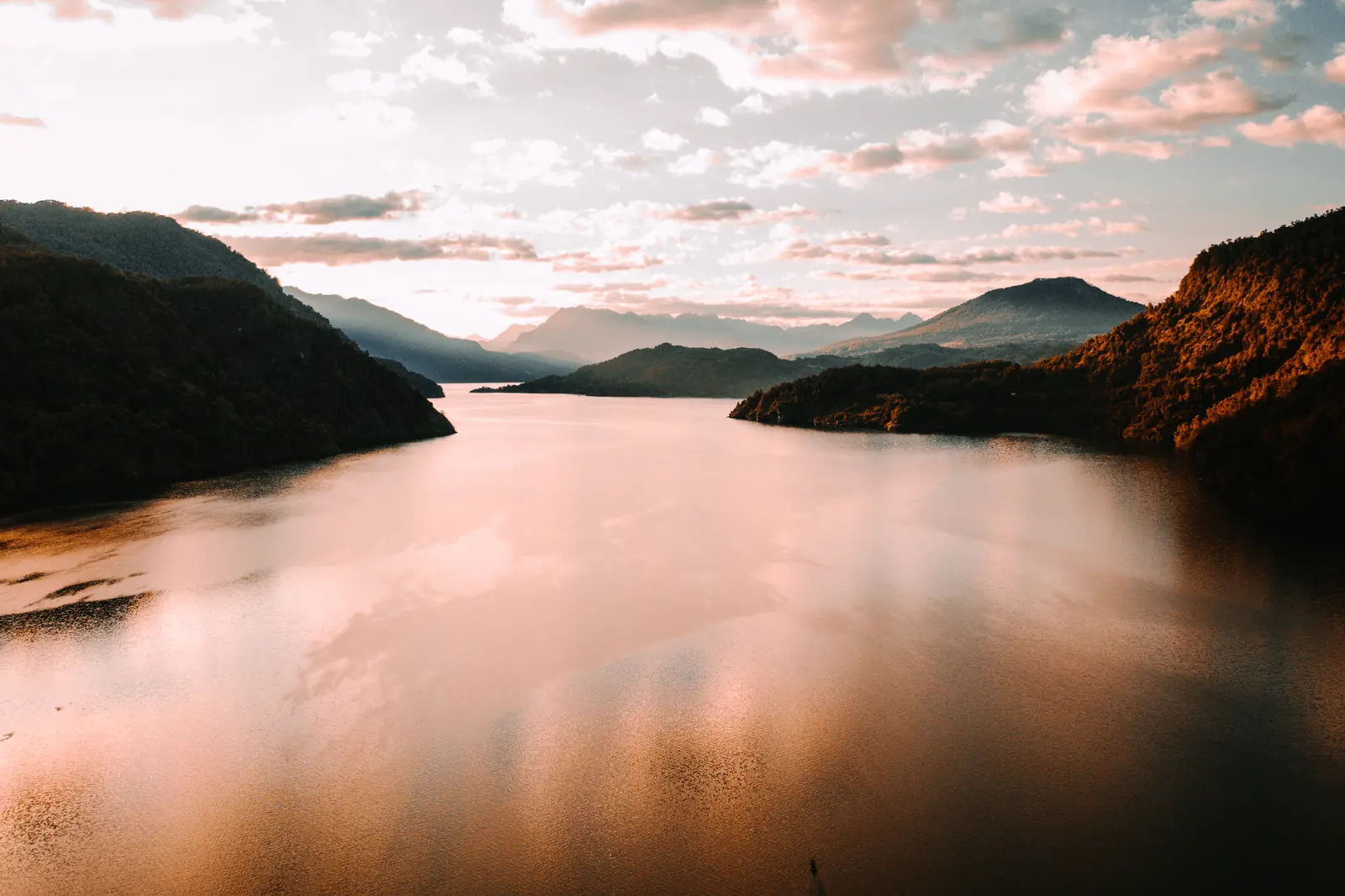
The Río Calcurrupe is one of the most renowned fly-fishing rivers in southern Chile. It rises from Lake Ranco and flows towards Lago Maihue with a crystal-clear current that is perfect for rainbow trout and brown trout. The sizes caught here (always catch & release) are legendary among the country's fishing community.
Lake fishing has its own particular charm: heading out in a boat before dawn, with mist still on the water and the first light filtering through the hills. For this you will need a fishing licence (applied for online through the SAG) and, if you don't have experience in southern waters, a local guide who knows the lake bed and fish movements.
Trekking and hiking in the Valdivian forest
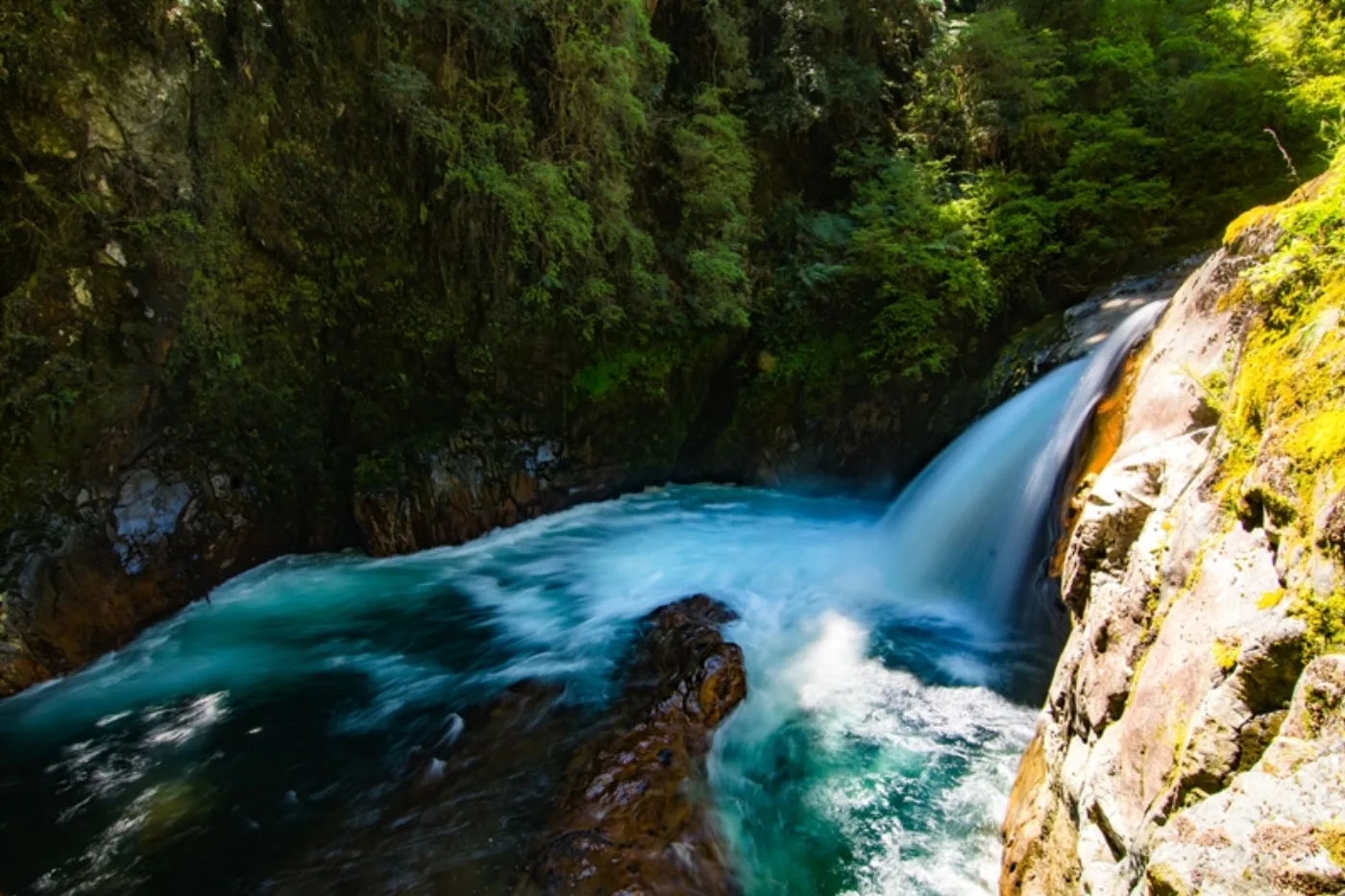
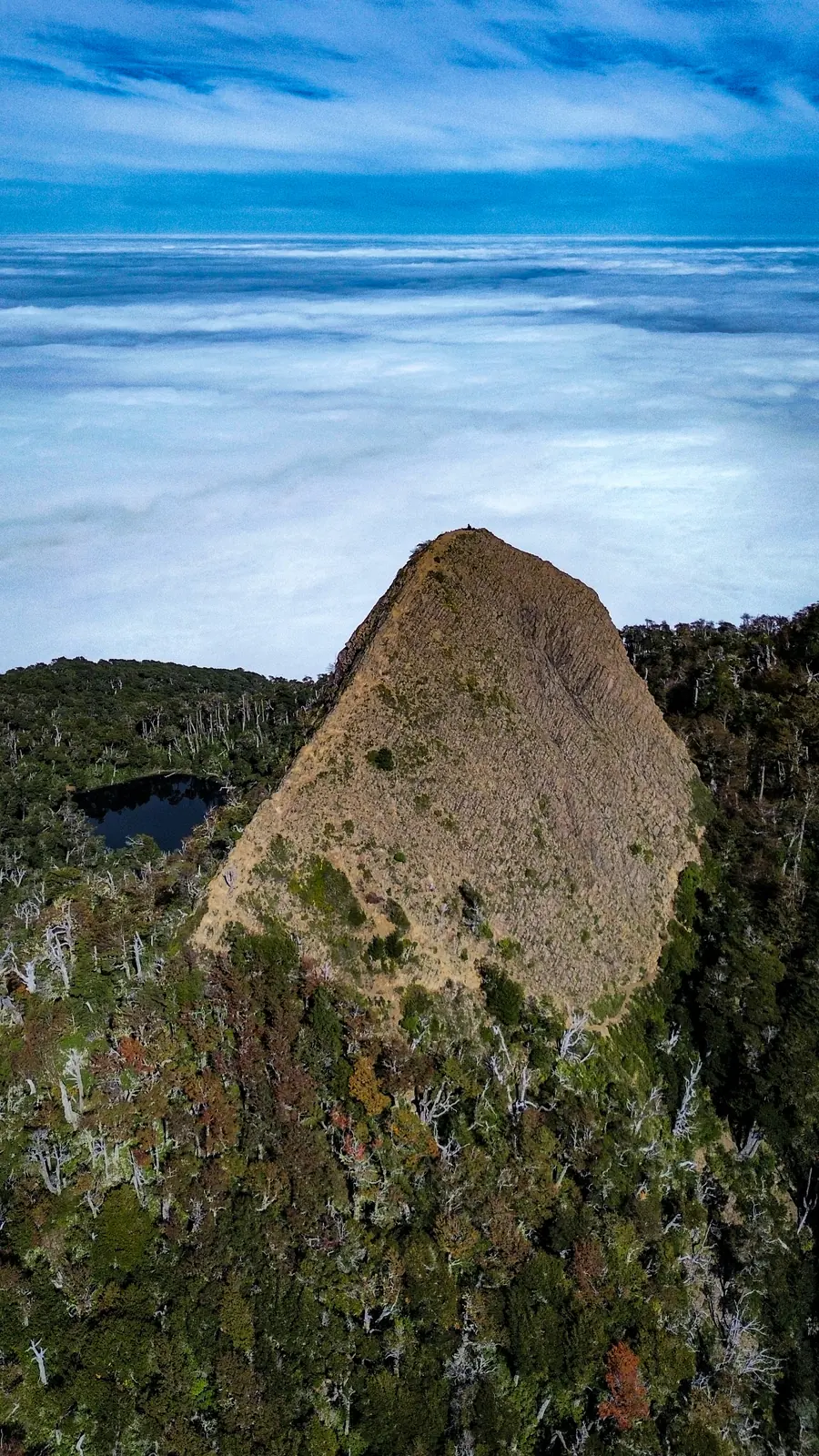
The Valdivian Forest is Chile's most biodiverse ecosystem outside tropical rainforest. Around Futrono, the mix of coigue, ulmo, arrayán, giant ferns and lianas creates an almost prehistoric atmosphere, especially when morning mist descends from the hills.
The most accessible trails follow the lakeshore north and south of Futrono, with distances ranging from 3 to 15 km. The more adventurous can climb Cerro Huequecura (20 km, in Llifén) for panoramic views of the lake and, on clear days, Volcán Lanín in Argentina.
For trails deeper into the forest, it is always advisable to go with someone who knows the area. The Valdivian forest is dense and without clear orientation can make it difficult to keep your bearings.
Road cycling and lakeside MTB
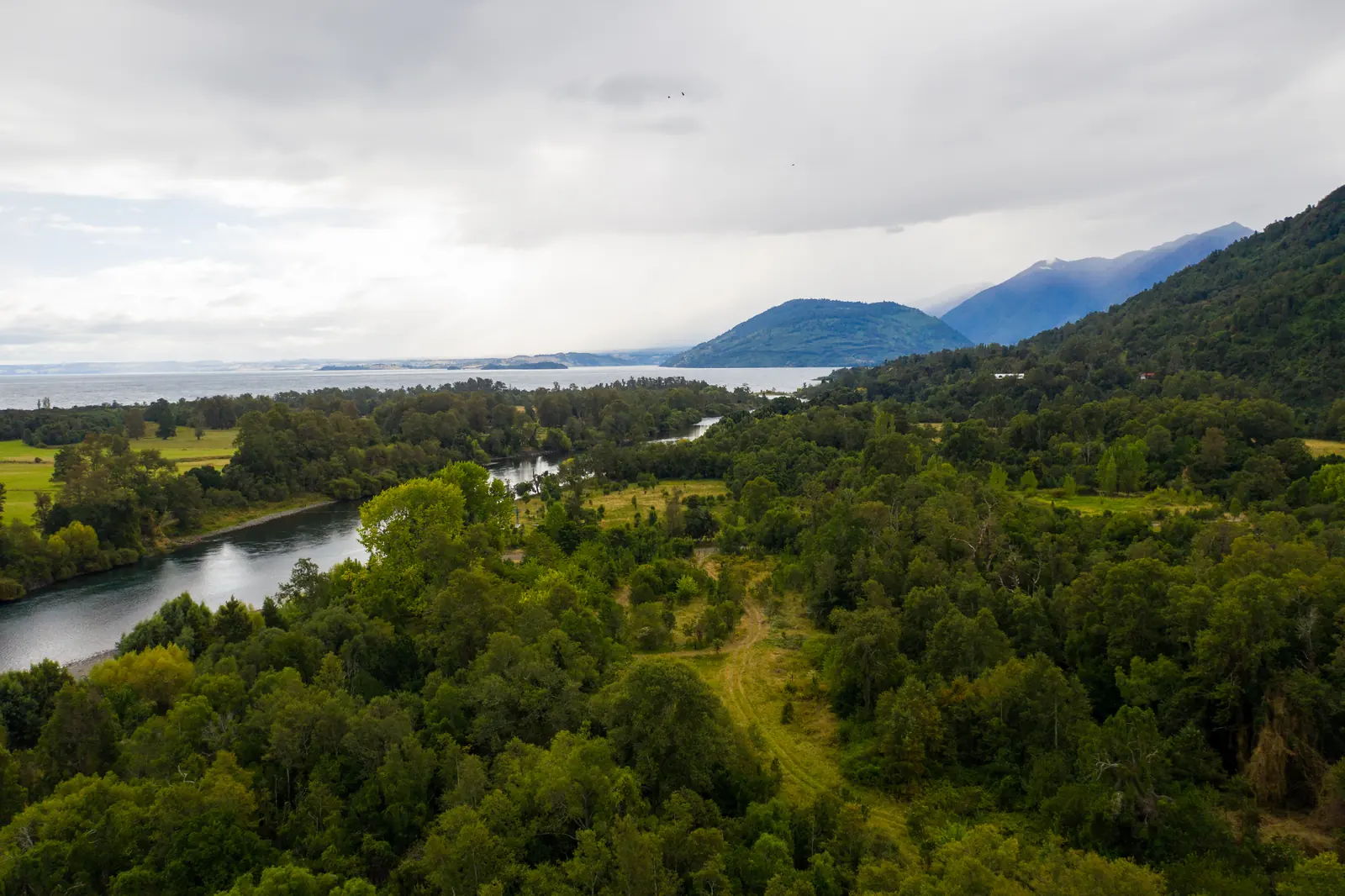
The paved road skirting the lake between Futrono and Llifén (20 km) is one of the most enjoyable cycling routes in southern Chile. Little traffic, the lake always visible on one side and the forest on the other. A mountain bike is not required — a standard road bike works perfectly.
For mountain bike enthusiasts, the gravel tracks heading inland from Futrono and the Curriñe area offer technical terrain with the reward of emerging into a clearing with lake views at the highest points. Always carry water and a layer of warm clothing — southern weather can change in minutes.
Birdwatching — Kingfisher, Black Woodpecker and Choroy
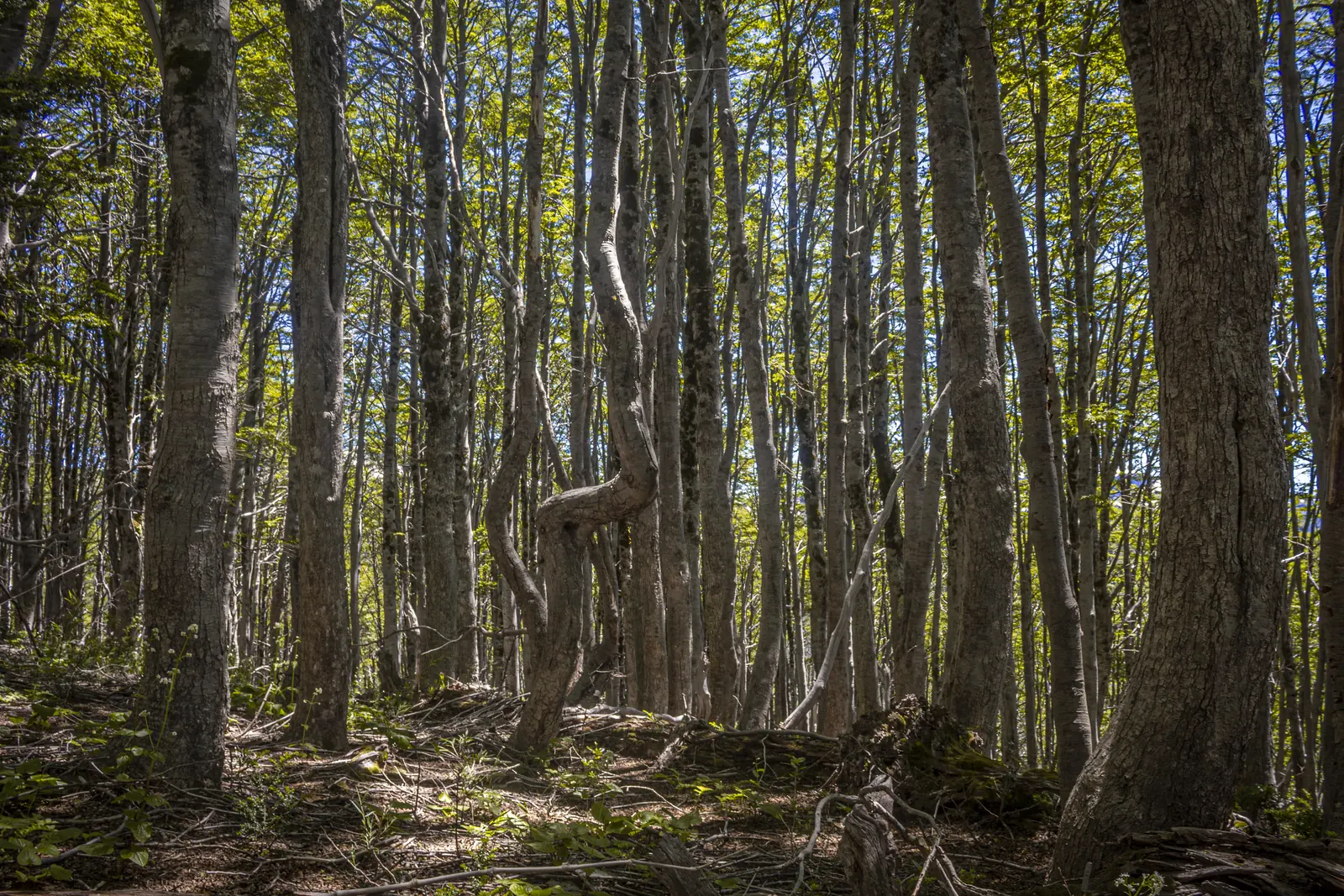
The Valdivian forest around Futrono is one of Chile's best places to observe endemic birds. The Kingfisher (Megaceryle torquata) is almost impossible to miss near the lakeshore — its low flight over the water and unmistakeable colouring make it the emblem of the area. In fact, one of our cabins bears its name.
The Black Woodpecker (Campephilus magellanicus), the largest in South America, inhabits the oldest trunks of the native interior forest. Its call — a kind of deep, guttural laugh — is heard before it is seen. The Choroy, a bright-green native parrot, flies in noisy flocks at dawn and dusk. And with luck, the Magellanic Horned Owl, which some nights perches in the oldest trees near the cabins.
For birdwatching, the best hours are 6:00 to 9:00 am. Any riverside trail yields results — you don't need special equipment or a guide, although binoculars help.
Huilliche Crafts — textiles and carvings from the lake
The crafts produced on Isla Huapi and in the lakeside communities of Lake Ranco are not souvenir craft work — they are the result of techniques passed down through generations within a culture that has been in this territory for centuries. The textiles in naturally dyed sheep's wool, the wicker baskets and the coigue-wood carvings have a quality and an identity that make them pieces of genuine value.
The best places to find them are Isla Huapi (directly from the community's craftspeople), the traditional food fairs in high season, and some shops in the Futrono town centre that represent local producers. Ask about provenance before you buy — genuinely local craft work always has a story behind it.
A private hot-tub night under the southern stars
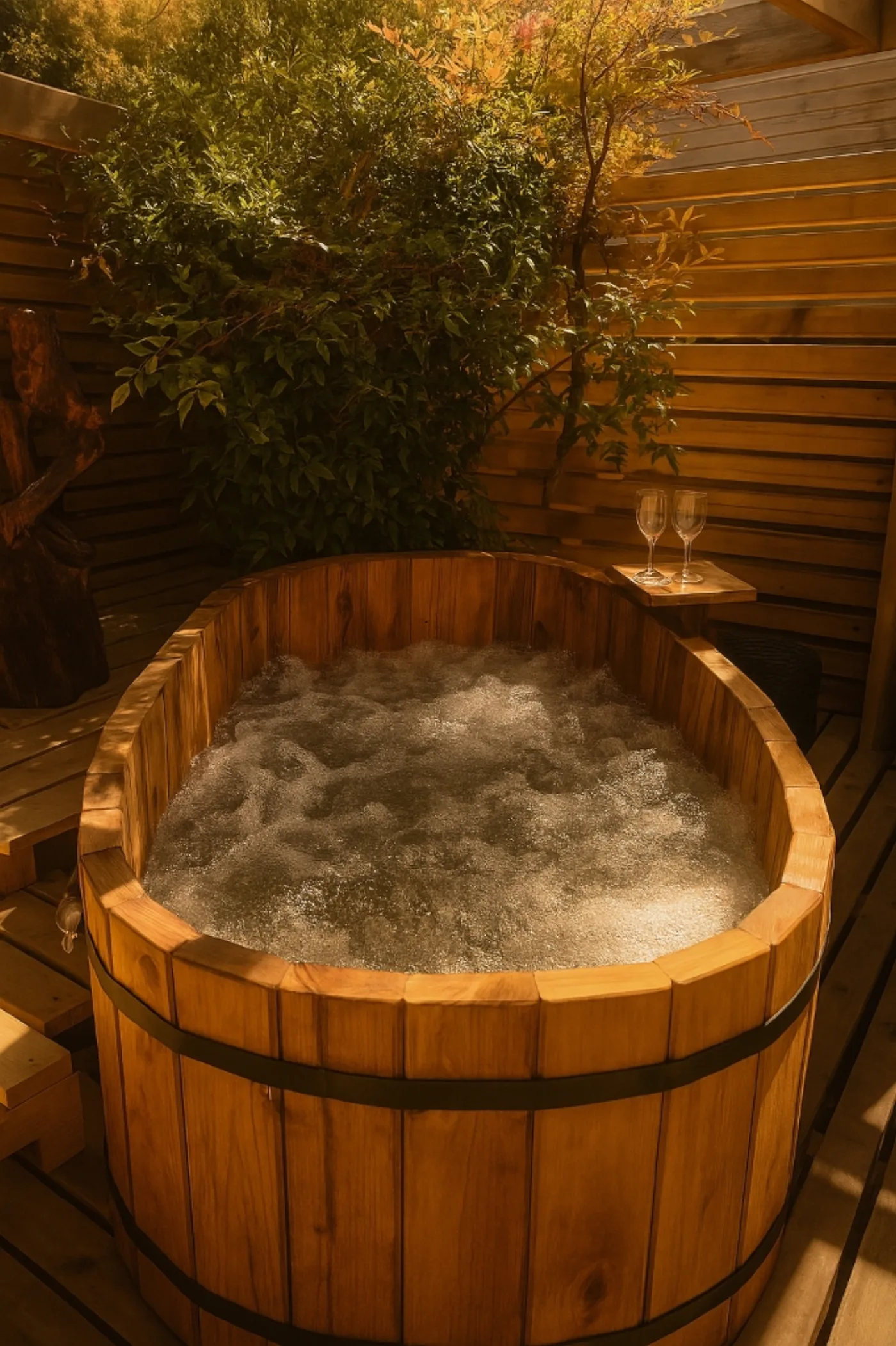
Natural hot springs are exceptional. But there is something that only a cabin with a private hot tub can offer: the freedom to step into the water whenever you like, step out into the southern cold, step back in, look at the stars with no one to bother you and stay as long as your body asks. No timetables, no audience, no turn reservations.
At Cabañas Pewma, every accommodation has its own exclusive-use private hydrotherapy hot tub — filled with hot water and surrounded by native vegetation. The couples cabins feature a hot tub on their private terrace overlooking the garden; the family cabins have theirs in a secure, fully private area. The combination of warm water, the cool Patagonian air and the absolute silence of a southern night in Chile creates a state of calm that is hard to describe and easy to understand once you experience it.
It is experience number 11 on this list, but if we're honest, for most of our guests it ends up being the favourite of the entire trip.
Ready to experience all of this?
Book your cabin with a private hot tub in Futrono and use our guide to explore the destination without rushing.
Frequently asked questions about Futrono
How many days do I need to see Futrono?
With 3 nights you can do a complete visit: beaches, Isla Huapi, a hot spring and the fairs (in season). With 5 nights you have time for everything on this list at a relaxed pace. Futrono is not a destination to rush — the rhythm of the lake invites you to stay longer than planned.
Can you visit Futrono without a car?
There are buses from Valdivia, Osorno and La Unión that reach Futrono. Once in the village, many activities are accessible on foot or by bicycle. For the more distant hot springs and fairs (Chihuío, Maihue), you will need a car or local transport. It is worth asking at your accommodation — many operators have arrangements with local transport providers.
What should I pack for Futrono?
Layers of clothing (the weather changes quickly), hiking shoes, a swimsuit for the beaches and hot springs, sunscreen (the lake reflects UV radiation), insect repellent and cash (some local spots and fairs do not accept cards). In autumn and winter, add a waterproof jacket and wool socks.
Is Futrono a good destination to visit in winter?
Yes, if you are looking for peace and hot springs. In winter the lake is empty of tourists, prices drop, the forest takes on its deepest colours and the hot springs come into their own. The beaches are not for swimming, but walking them in solitude is perfect. Pewma offers a 3x2 Midweek promotion specifically to make the most of low season.